
Featured Initiatives 2026
Ley de Origen: Walking the Sacred Law of the Wiwa People (2026)
The Ley de Origen—the Law of Origin—is the foundational spiritual, ethical, and ecological framework of the Wiwa people. It governs how life is understood, how territory is cared for, and how balance is maintained between human beings, nature, and the spiritual world. Transmitted through oral tradition and ceremonial practice, the Ley de Origen is not written—it is lived.
Today, the Wiwa community faces a growing risk: the gradual weakening of this ancestral law due to external pressures on their territory, disruption of traditional transmission, and the devaluation of spiritual practices. This erosion threatens not only cultural identity, but also the spiritual equilibrium that sustains life in the Sierra Nevada de Santa Marta.
In response, the Ley de Origen: Walking the Sacred Law initiative was envisioned by Wiwa spiritual authorities as a ceremonial and territorial act of renewal.
Beginning in 2026, this initiative will support a Caminata de Resignificación—a sacred territorial walk led by Mamos, Sagas, elders, and traditional authorities. Each step of the journey is an act of remembrance, healing, and peaceful resilience. Through visits to sacred sites, spiritual practices, and collective reflection, the community reaffirms its commitment to protecting life, territory, and ancestral mandates.
This walk is both spiritual and practical in its impact. It strengthens intergenerational transmission by actively involving elders, women, youth, and children. It supports the harmonization and healing of sacred sites. It reinforces community unity, autonomy, and cultural continuity. And it generates collective guidance to inform the community’s Plan de Safeguarding, self-determined territorial planning, and the defense of collective rights.
Bridgepath’s role is one of accompaniment—walking alongside the community with respect for their authority, rhythm, and worldview. This initiative centers Indigenous leadership, community participation, and ancestral knowledge as living systems essential not only to cultural survival, but to the protection of Mother Earth.
At its heart, the Ley de Origen walk is a call—to honor ancestral wisdom, to recognize Indigenous peoples as guardians of balance, and to remember that caring for territory is inseparable from caring for life itself.
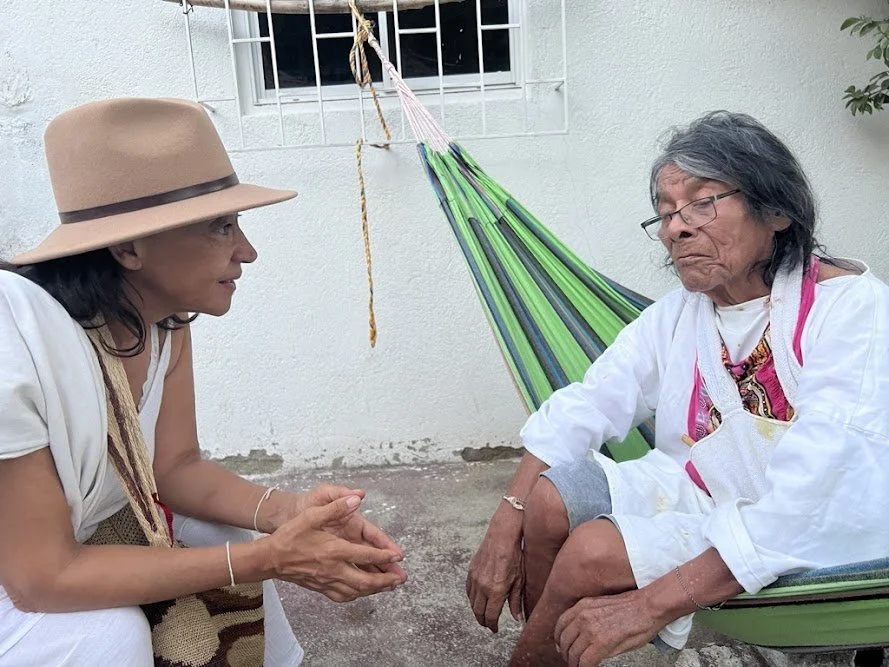
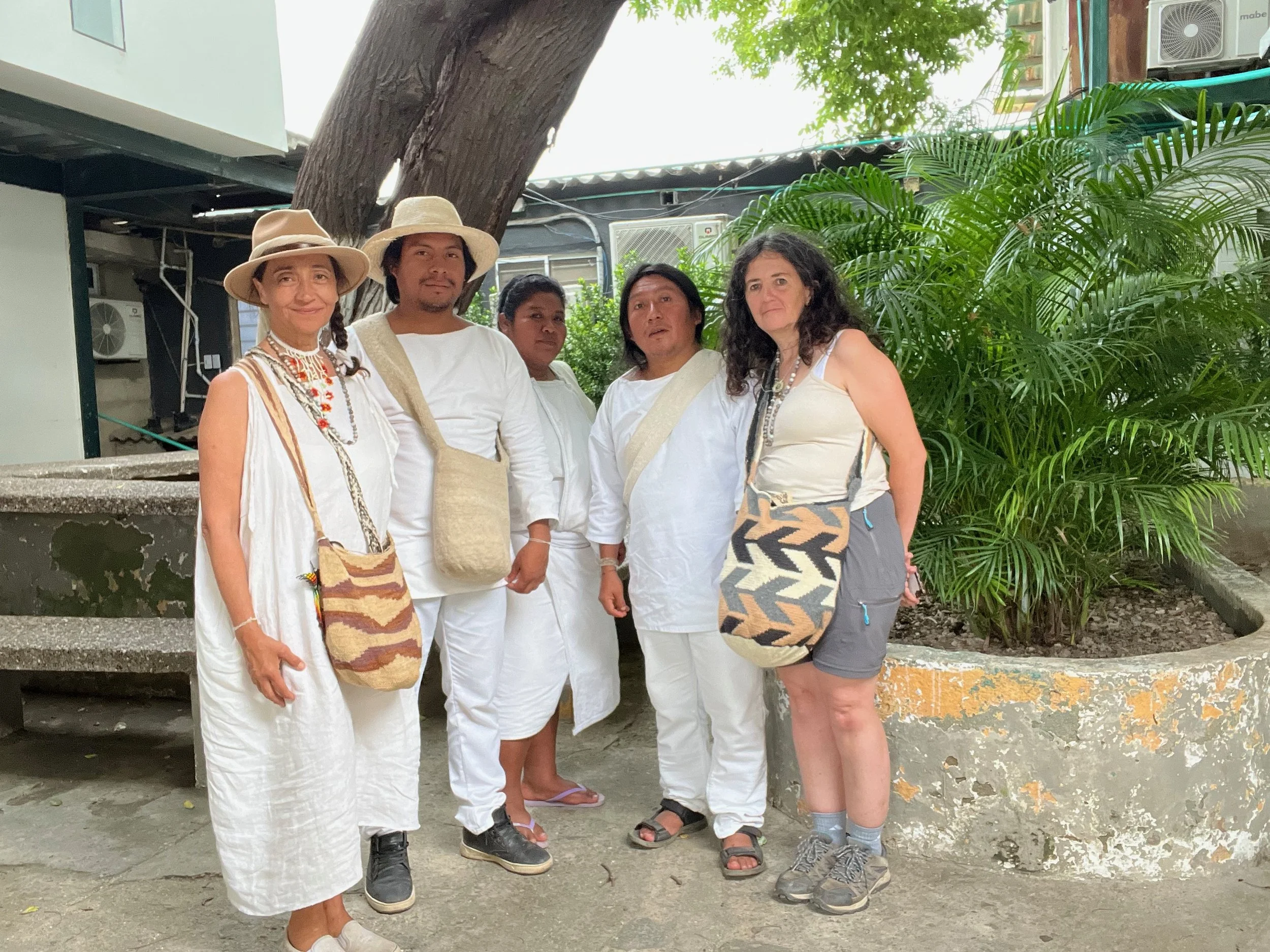
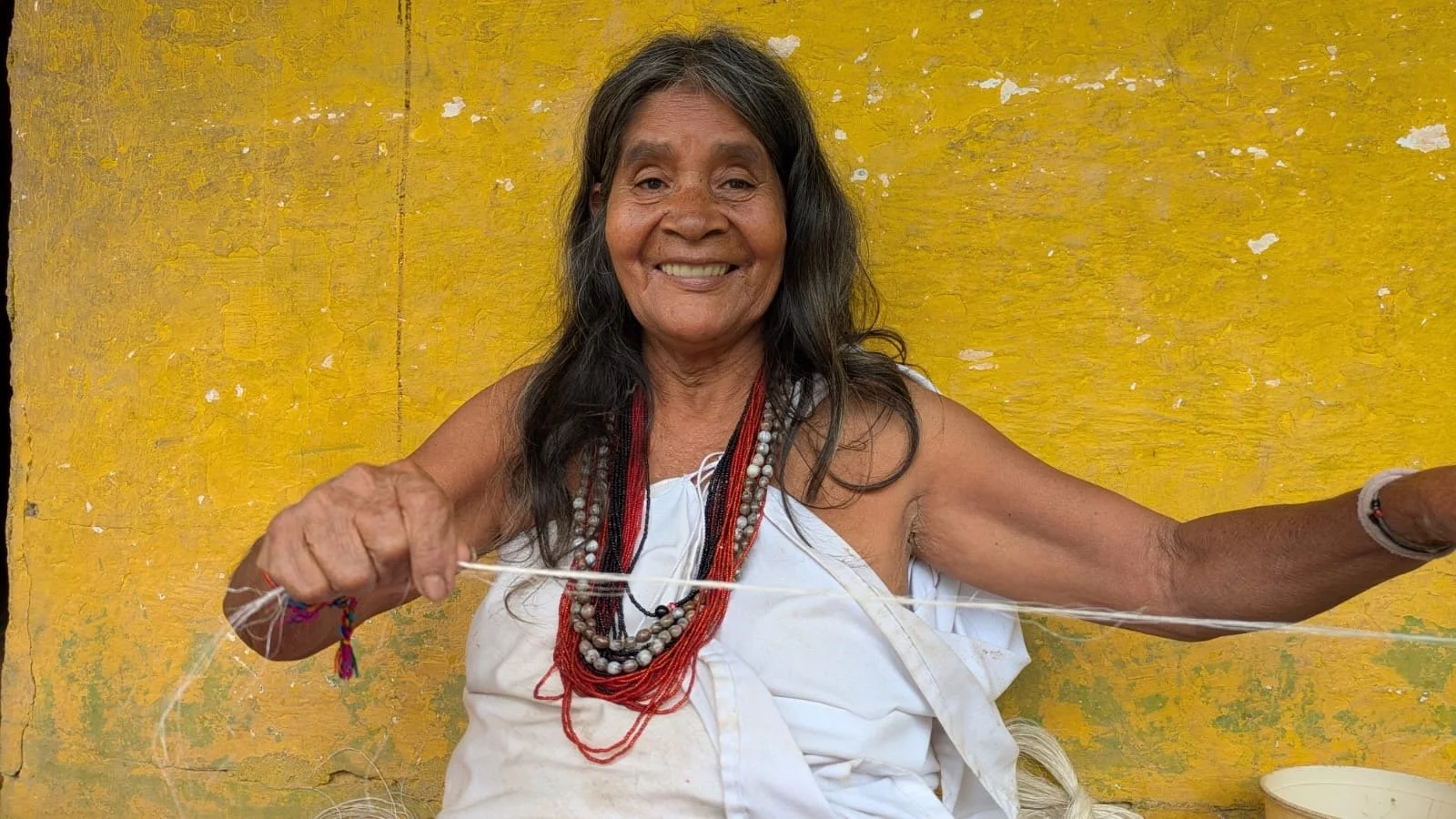
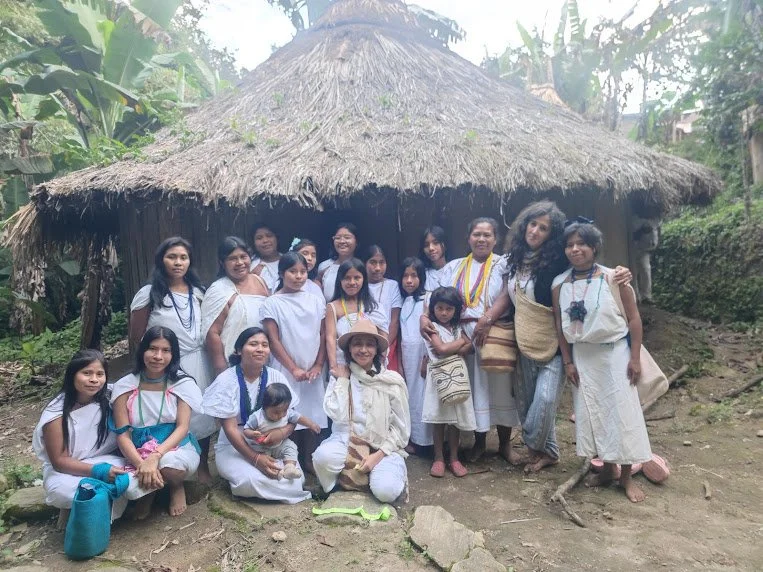
Wiwa Women’s Art Micro-Grants Initiative
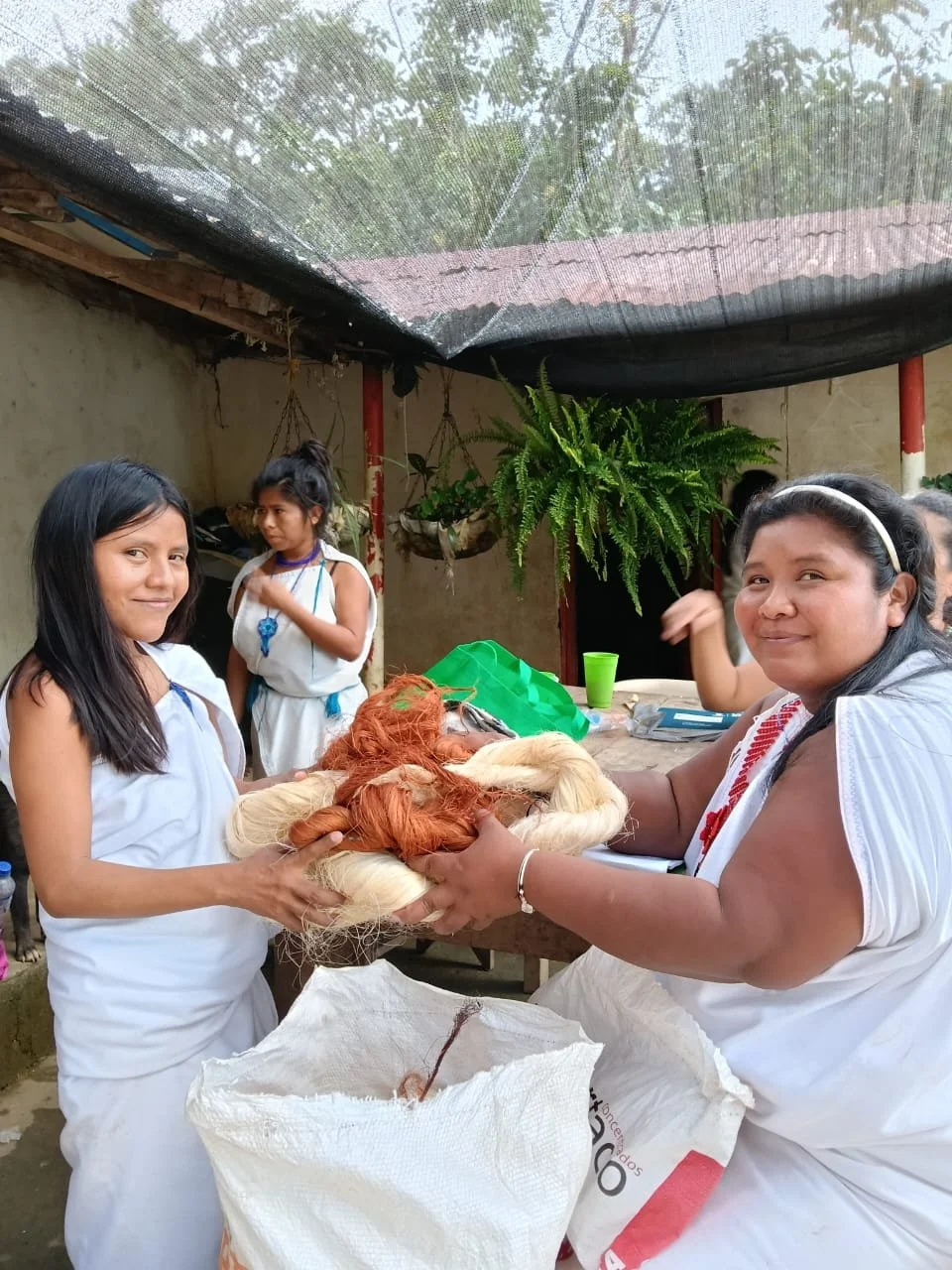
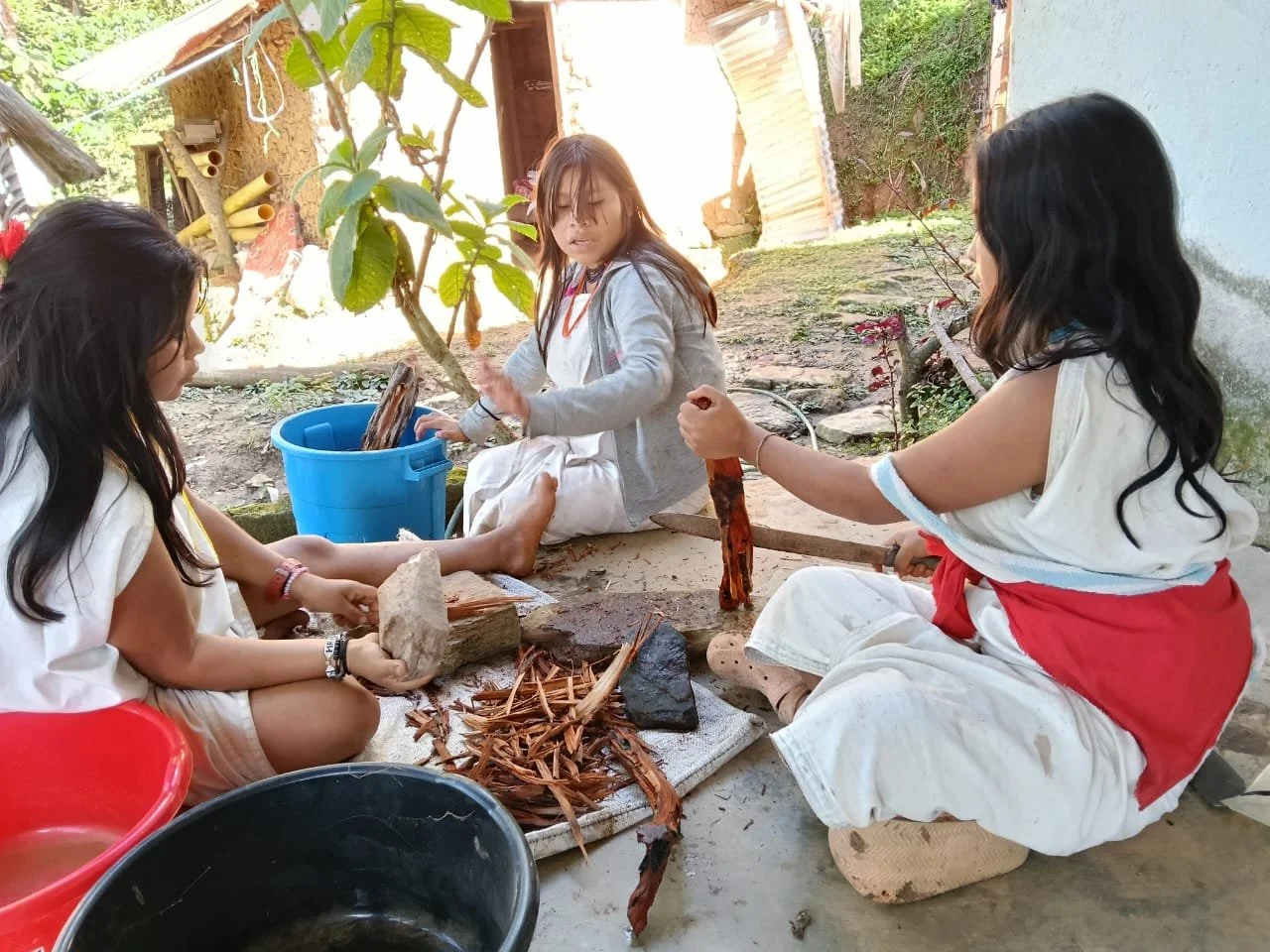
In Wiwa communities of the Sierra Nevada de Santa Marta, women are the guardians of ancestral weaving and natural dyeing practices—living expressions of cultural memory, identity, and relationship to territory. These sacred art forms are not only spiritual and ceremonial; they also contribute meaningfully to family sustenance and community well-being.
Launched in 2025, the Wiwa Women’s Art Micro-Grants Initiative emerged through deep listening and presence. Bridgepath spent over two weeks in community, walking alongside the women, listening closely to their stories, their unique journeys, and their shared dreams, desires, and needs. From these conversations, a collective plan of support was shaped—guided by the women themselves.
As part of this accompaniment, the women identified essential needs to sustain their work and strengthen their economic sovereignty. In response, the initiative supported access to over 150 pounds of maguey fiber, along with storage bins, calendars, and a scale to support traditional dyeing processes and material stewardship. These resources directly strengthen the creation of hand-woven mochilas—living expressions of identity, memory, and territory.
Beyond material support, Bridgepath coordinated a partnership with the Biblioteca y Centro Cultural Sé, creating a new platform for visibility and exchange. Beginning in January 2026, Wiwa women will showcase their work and offer monthly presentations to the community and the general public. This collaboration expands exposure, honors cultural context, and provides a dignified pathway for women to share their artistry beyond the territory—on their own terms.
Together, these efforts support women-led livelihoods, reinforce cultural continuity, and nurture a circular, community-centered economy grounded in reciprocity, autonomy, and respect for ancestral wisdom.
What UNESCO (United Nations Educational, Scientific and Cultural Organization) has to say about the Wiwa People
UNESCO views the Wiwa people of Colombia, alongside the Arhuaco, Kogi, and Kankuamo as crucial custodians of the Sierra Nevada de Santa Mata, recognizing their "Ancestral System of Knowledge" as Intangible Cultural Heritage essential for protecting the ecosystem and cultural identity, promoting their wisdom in balancing nature with modern needs against threats like climate change and mining.
Key UNESCO & Related Perspectives
Cultural Recognition: UNESCO inscribed the collective ancestral knowledge of the four peoples, including the Wiwa, onto the Representative List of Intangible Cultural Heritage in 2022, acknowledging its vital role in environmental stewardship.
Guardians of the "Heart of the World": The Wiwa and their sister communities are seen as spiritual and material guardians, whose traditional practices (like rituals, ceremonies, and understanding natural cycles) are vital for the health of the Sierra Nevada, the source of major rivers and biodiversity.
Protecting Sacred Sites: Their wisdom, passed down through generations by elders (Mamos), involves caring for sacred sites and understanding the interconnectedness of nature, which is fundamental for planetary health, according to their philosophy.
Call for Protection: UNESCO highlights these communities' efforts, supported by organizations like AIDA (Inter-American Association for Environmental Defense), to gain legal protection for their territories against mining and environmental damage, recognizing their "life plans" based on their worldview.
Climate Change & Threats: The communities, including Wiwa representatives, actively warn the world about climate change impacts (like disappearing glaciers) and external pressures, emphasizing that environmental destruction affects all humanity, not just Indigenous peoples.
In essence, UNESCO's view is one of deep respect and support, seeing the Wiwa and their kin as holders of invaluable knowledge necessary for global ecological balance, facing significant threats that require international attention and protection.